
English Subtitles vs Native Subtitles: Which Is Better for Learning?
14 October 2026 · should i watch movies with english subtitles or native subtitles · is it better to watch in english with english subtitles · when to turn off subtitles when learning english · subtitles
By the end of this guide, you will know exactly when to switch from native to English subtitles and how to use them to accelerate your English fluency.
💡 The Hidden Cost of Native Subtitles

You can learn English grammar using our free platform
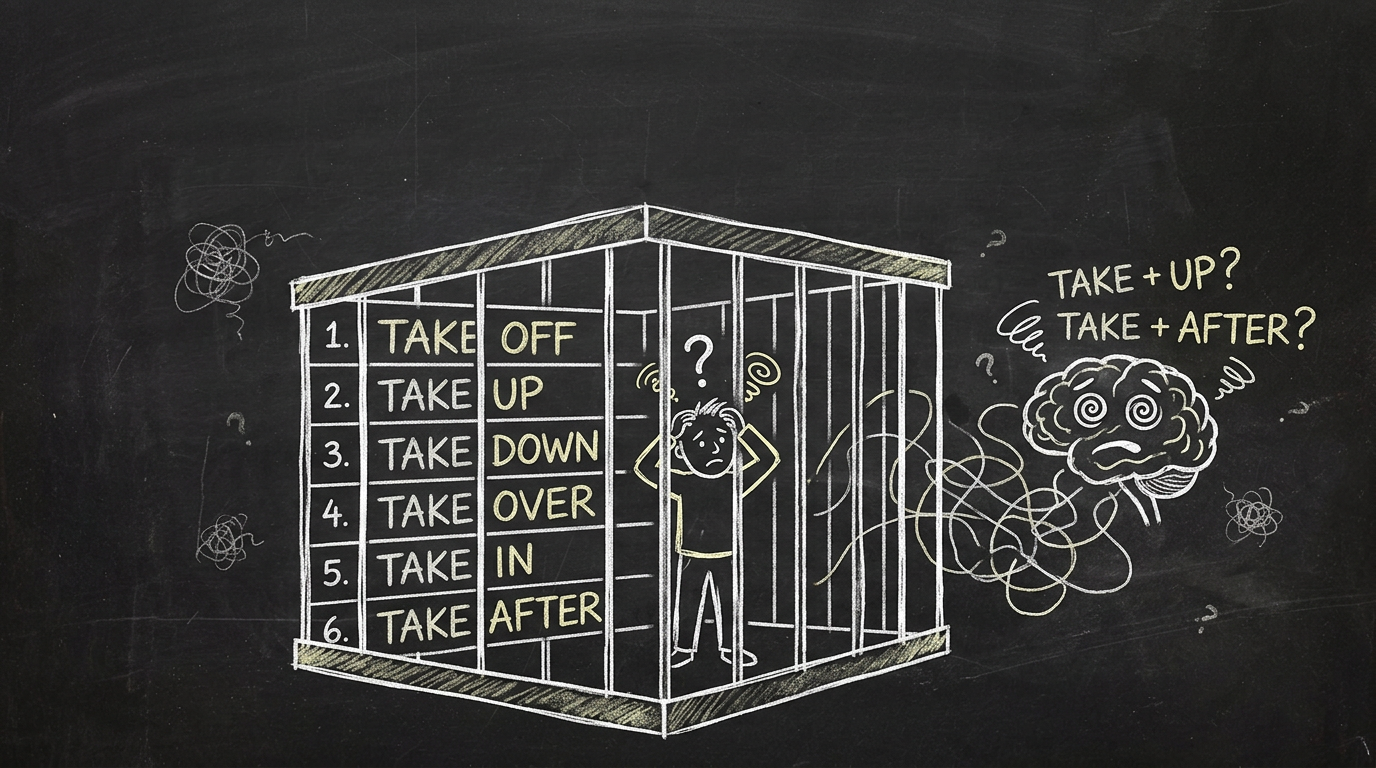
When you watch an English video with native language subtitles, your brain is doing a massive amount of heavy lifting. It is constantly performing a translation task in the background. This is known as cognitive load. If you are constantly decoding the English audio into your native language, you are not actually processing English structures; you are just practicing your translation skills. While this might feel comfortable, it often slows down the development of your internal English voice. You want to reach a point where you think in English, and that requires direct exposure to the sounds and rhythms of the language without a secondary filter.
For absolute beginners, native subtitles act as a safety net, but they quickly become a crutch that prevents progress. If you rely on them too much, you stop listening to the nuances of intonation and stress. You end up reading the screen rather than engaging with the speakers. To improve, you need to minimize this translation layer as soon as possible. Using resources like https://vidvocab.com/ allows you to bridge this gap by focusing on context-rich content that grounds your understanding without the need for constant mental translation.
One common mistake learners make is choosing content that is too complex, which forces them back into the native-subtitle trap. When the material is too difficult, the brain naturally seeks the path of least resistance, which is your native language. Instead, choose videos where you understand about 70 to 80 percent of the vocabulary. By staying within this range, you can afford to turn off those native subtitles because the context provided by the visuals and the familiar words will carry you through the difficult sections. If you find yourself constantly glancing at the native text, it is a clear sign that you need to step down to a lower level of video difficulty rather than relying on translation.
📊 Why English Subtitles Win for Fluency
You can learn English grammar using our free platform
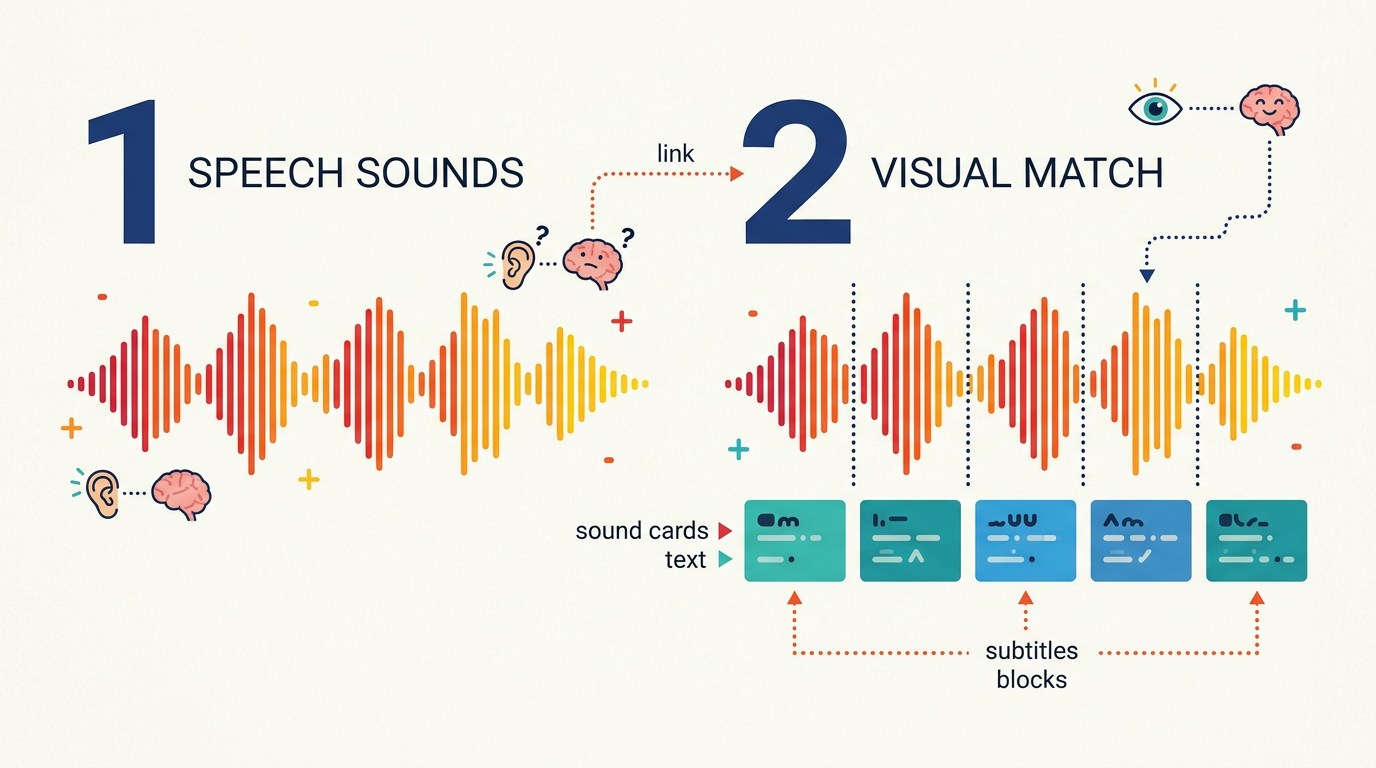
Many learners ask, is it better to watch in English with English subtitles? The answer is a resounding yes for intermediate learners. When your audio and your text match, your brain creates a direct link between the sound of a word and its written form. This is the fastest way to improve your word recognition. When you see a word you recognize as part of a list of everyday used phrases and words in English, it reinforces the spelling and the phonetic structure simultaneously. This multisensory input is far more effective than reading a textbook.
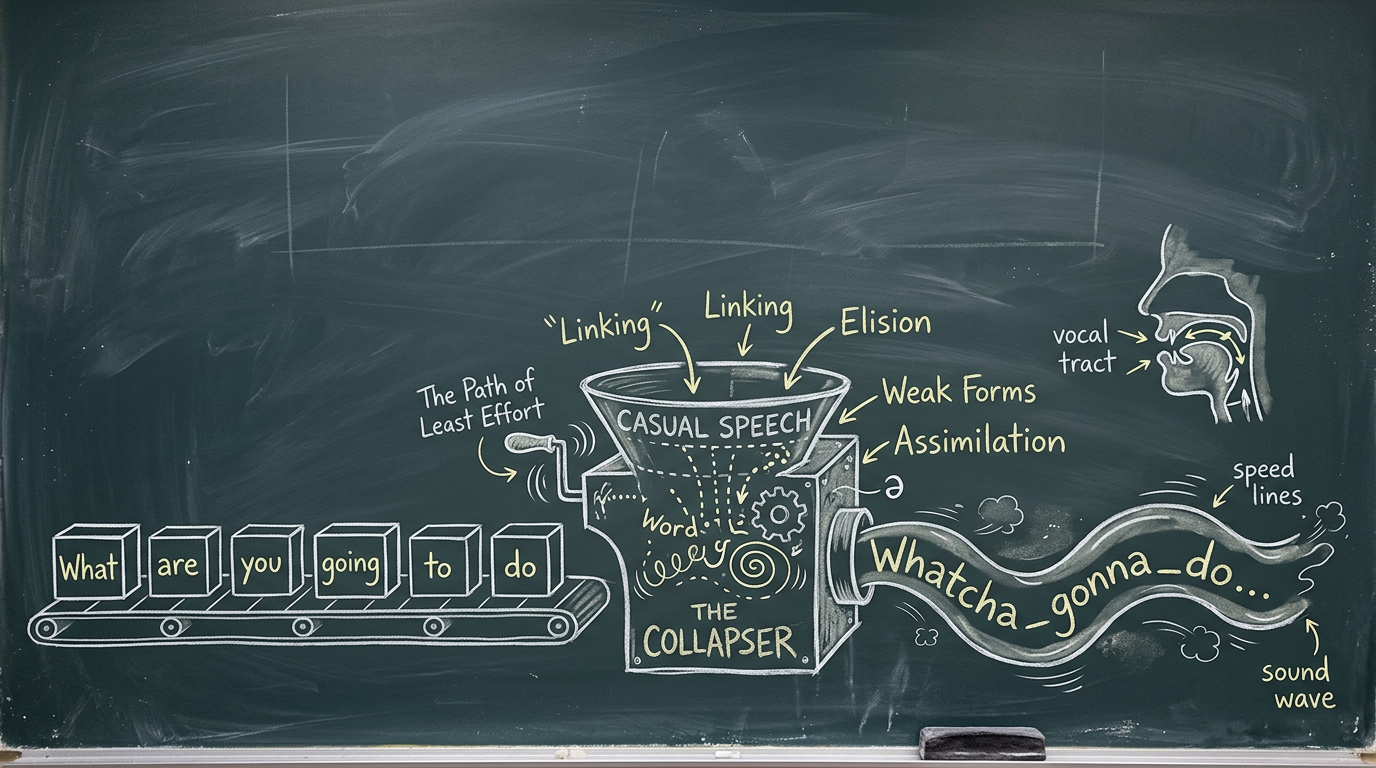
Matching the audio to the text also helps with segmenting. English speakers often run words together, making it hard to tell where one word ends and the next begins. With English subtitles, you can visually see the boundaries of those words. This builds your ability to identify common chunks and phrases, which is essential for B1-B2 level fluency. When you use a platform like https://vidvocab.com/, you get the benefit of word glosses that explain difficult terms in real-time. This prevents the frustration of stopping the video to look up a dictionary definition, keeping you in the flow of the conversation.
Consider the way English speakers use contractions, such as "gonna" for "going to" or "wanna" for "want to." Without English subtitles, these sounds can be confusing and appear as incoherent noise. When you see the written contraction on the screen while hearing the native speaker say it, your brain registers the transformation. This is a crucial step in moving from academic knowledge to conversational mastery. You begin to understand the rhythm of native speech, which is frequently dictated by these informal shortcuts. By aligning the visual with the auditory, you bridge the gap between classroom English and the reality of how language is used on the street.
📝 Avoiding the Trap of Passive Reading
You can learn English grammar using our free platform
One common danger of using subtitles is the tendency to read instead of listening. You might find yourself staring at the text at the bottom of the screen, completely ignoring the speaker's tone, speed, and emotion. To combat this, you need to make your viewing active. Do not just let the video wash over you. Instead, treat every session as a short study period. When you encounter a phrase you do not know, pause the video, check the gloss, and repeat the line out loud. Mimicking the speaker is a powerful way to internalize the rhythm of the language.
If you find yourself reading and not hearing, try this: watch a short segment twice. The first time, watch with English subtitles to understand the content. The second time, focus entirely on the audio while keeping the subtitles on as a backup. This forces your brain to prioritize the sound. If you are stuck, check out the resources at https://vidvocab.com/blog for tips on how to maximize your daily practice. Remember that the goal is to use the text as a tool for comprehension, not as a replacement for the auditory experience. Once you understand the context, try to look away from the bottom of the screen and focus on the speaker's face.
Another effective strategy is the "shadowing" technique. Once you have identified a difficult segment, play it back and try to speak along with the character in real-time. By focusing on the movement of the speaker's mouth and the way they emphasize specific syllables, you move from being a passive observer to an active participant. This forces your brain to process the subtitles as a secondary check rather than the primary source of information. If you can shadow the speaker successfully, it proves that you have moved beyond simply reading the text and have actually integrated the sound and meaning of the language.
🌅 The Three-Stage Transition Plan
You can learn English grammar using our free platform
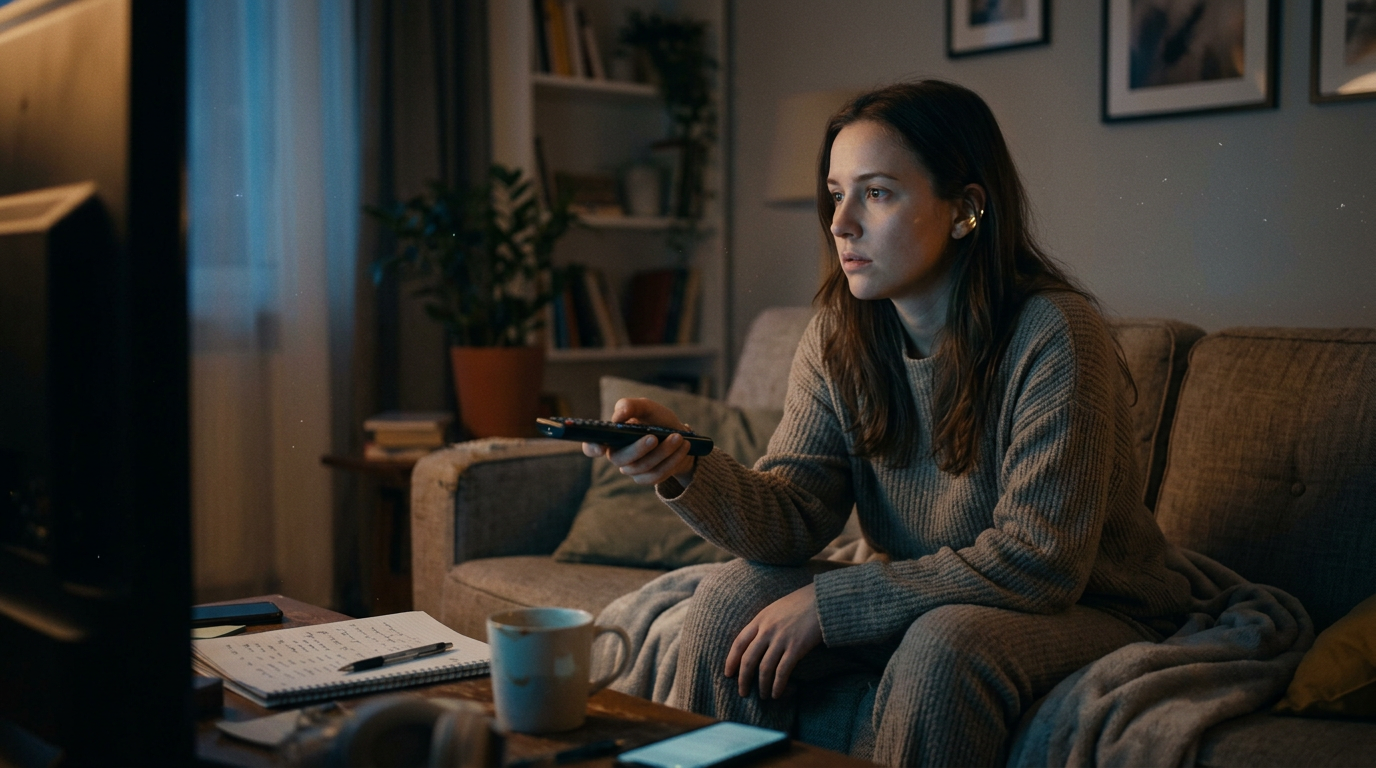
When to turn off subtitles when learning English is a common question, but it should not be an all-or-nothing decision. You can transition in stages to build confidence without feeling overwhelmed. Think of it as a gradual withdrawal of support.
- Stage one: Use English subtitles for every video. This builds your base vocabulary and helps you link sounds to written words. Aim to do this for two weeks.
- Stage two: Use subtitles only for the first half of a video, then turn them off for the second half. If you get stuck, turn them back on briefly, then turn them off again.
- Stage three: Watch without subtitles, but keep a list of new vocabulary nearby. Use https://vidvocab.com/pricing to find tools that help you track these words effectively.
This method keeps you in the 'zone of proximal development' where the challenge is high enough to force growth but low enough to avoid total confusion. If you find you are missing more than 30 percent of the content, it is perfectly fine to go back to subtitles for a few more days. Consistency is more important than speed. By following this structure, you will notice that you rely less on the text and more on your ears over time.
📈 Tracking Your Progress Over Time
You can learn English grammar using our free platform
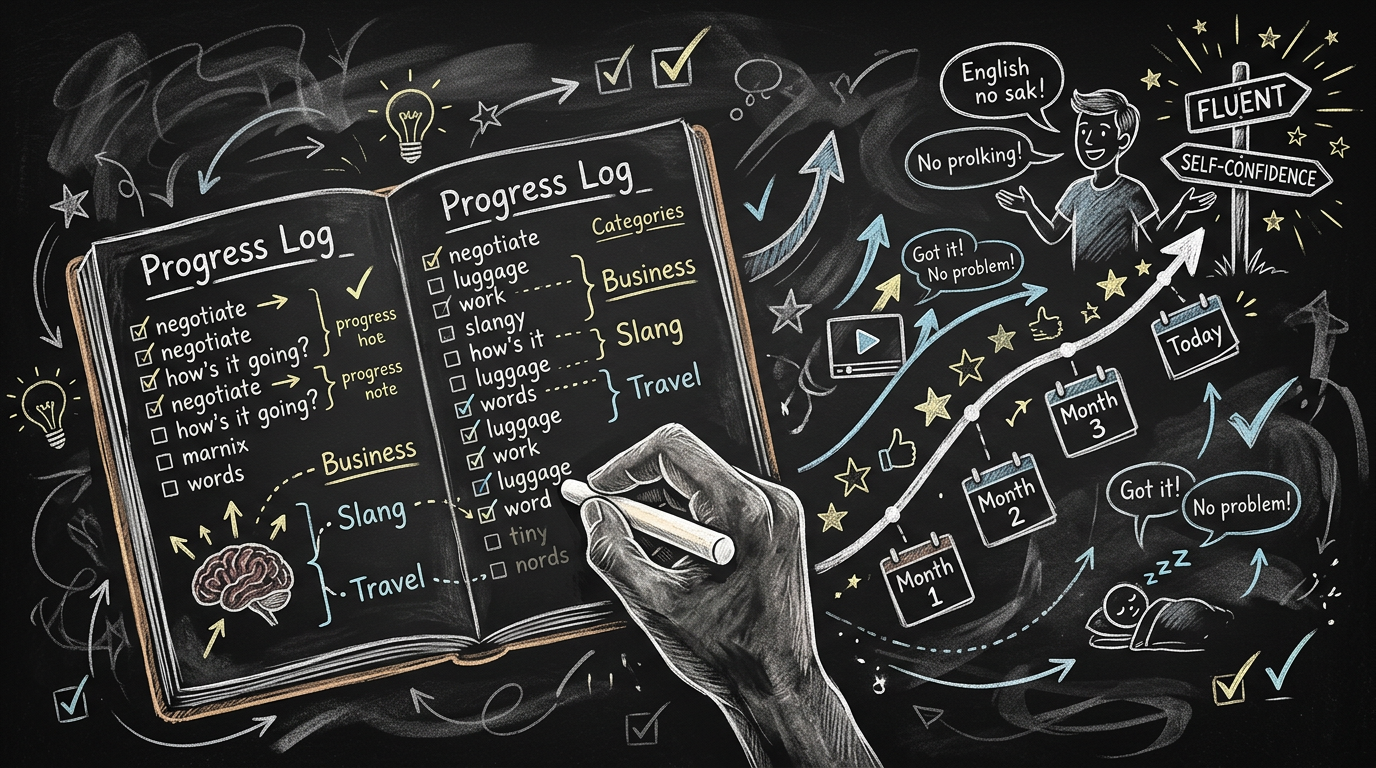
To see real improvement, you need to measure your success. Do not just watch random videos; choose content that is slightly challenging but still accessible. Keep a simple log of the words and phrases you have learned. Seeing your progress written down in a notebook or on a digital list provides a massive motivation boost. You will start to notice that the list of everyday used phrases and words in English that you once found difficult are now appearing in your own speech without you even thinking about it.
Regularity is the key to this process. One video a day is far better than five videos once a week. Your brain needs time to process and store new information during your sleep. By engaging with short, targeted clips, you allow your brain to focus on specific vocabulary sets rather than being overwhelmed by an entire feature-length film. The goal is to build a habit that fits into your life, not a chore that feels like a heavy burden. Stay patient with yourself, keep the audio on high, and trust that your ability to understand native speakers without any assistance will come naturally as your brain becomes more attuned to the patterns of English.
When you track your progress, try to categorize your vocabulary into different themes such as business, casual slang, or academic terminology. This thematic approach helps your brain create stronger neural pathways for those specific contexts. For example, if you spend one week focusing on travel-related vocabulary, you will find that you can suddenly understand travel vlogs with much greater ease. This focused growth provides tangible proof that your methods are working, which keeps the momentum high. By the end of each month, review your list and identify which words have moved from your 'active' vocabulary to your 'passive' understanding. This reflective process is what ultimately transforms a learner into a fluent speaker.