
How to stop translating in your head while watching English videos
3 November 2026 · how to think in English · improve English fluency through immersion · get rid of translation habit · English fluency
By the end of this post, you will understand the mechanics of mental translation and have a clear, actionable plan to process English directly without relying on your native language.
🧠 Why Your Brain Translates Everything

You can learn English grammar using our free platform
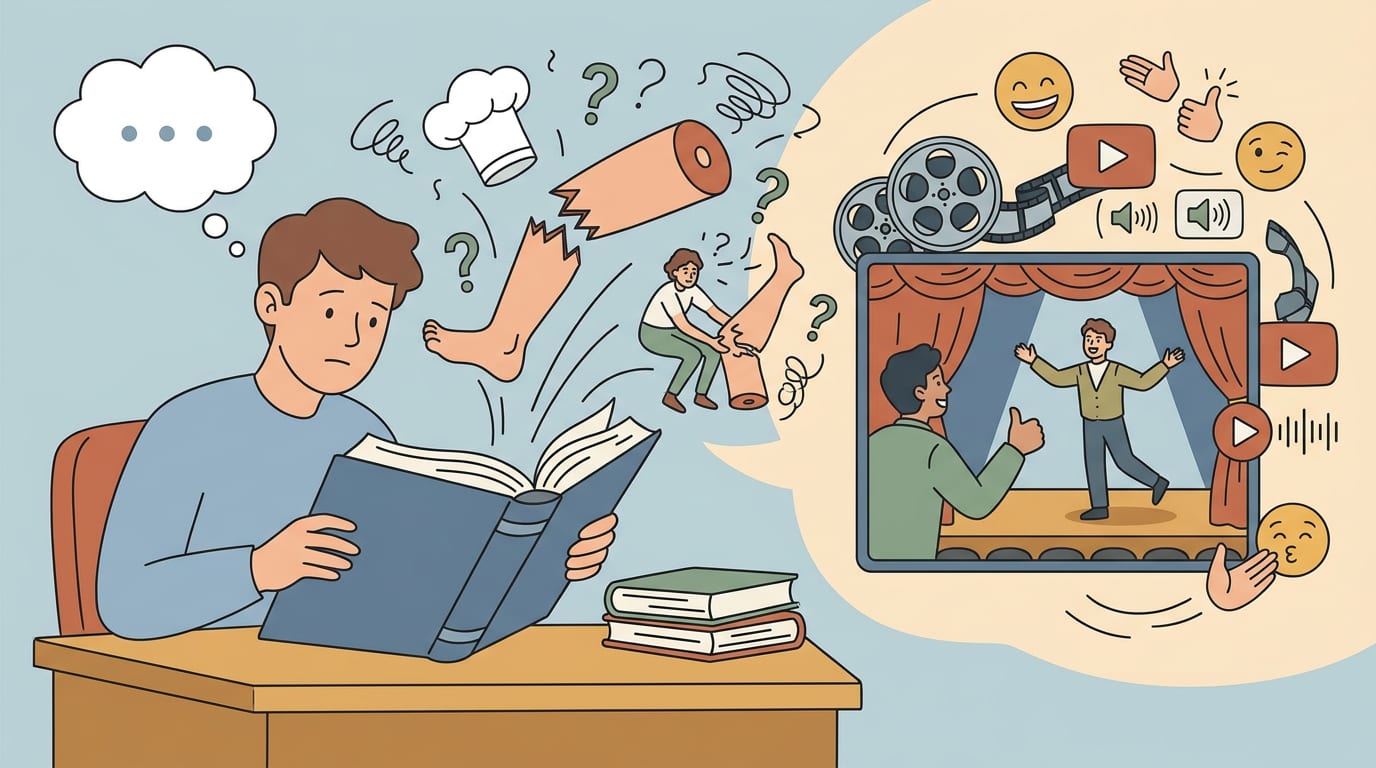
When you hear a word in English, your brain often treats it like a code that needs to be cracked. It reaches into your memory, finds the equivalent in your mother tongue, and only then do you understand the meaning. This is a natural safety mechanism, but it is the primary reason you feel slow when speaking or listening. To stop translating while listening, you must first acknowledge that your brain is simply choosing the path of least resistance. It prefers the familiar structure of your native language over the effort required to build a new mental map for English.
Many learners believe that translation is a necessary step for accuracy, but it actually creates a bottleneck. When you are listening to a fast-paced video, your brain does not have the time to perform this double-step process. This is why you often feel like you missed the middle of a sentence. The lag created by translation prevents you from catching the nuance, tone, and rhythm of the speaker. To get rid of translation habit, you need to starve the part of your brain that relies on native equivalents and force it to engage with the English input directly.
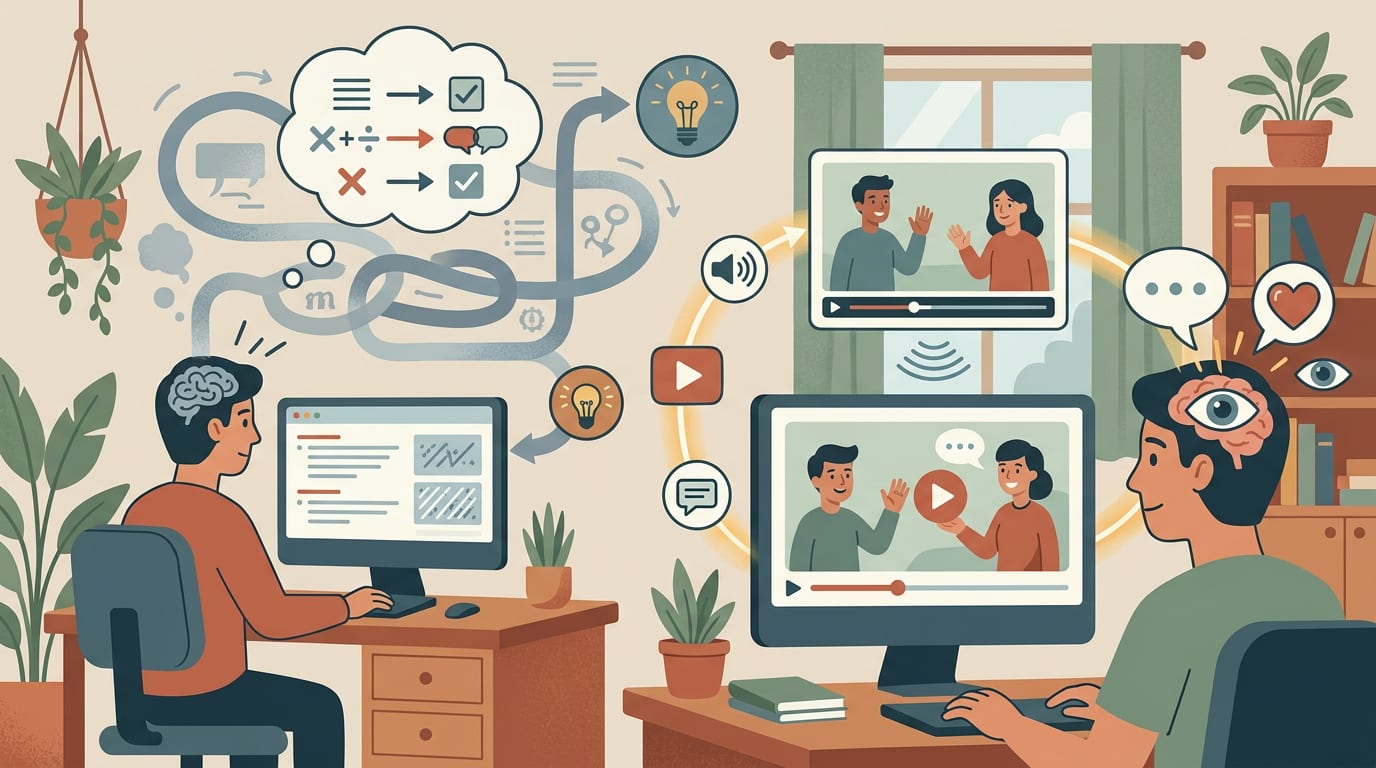
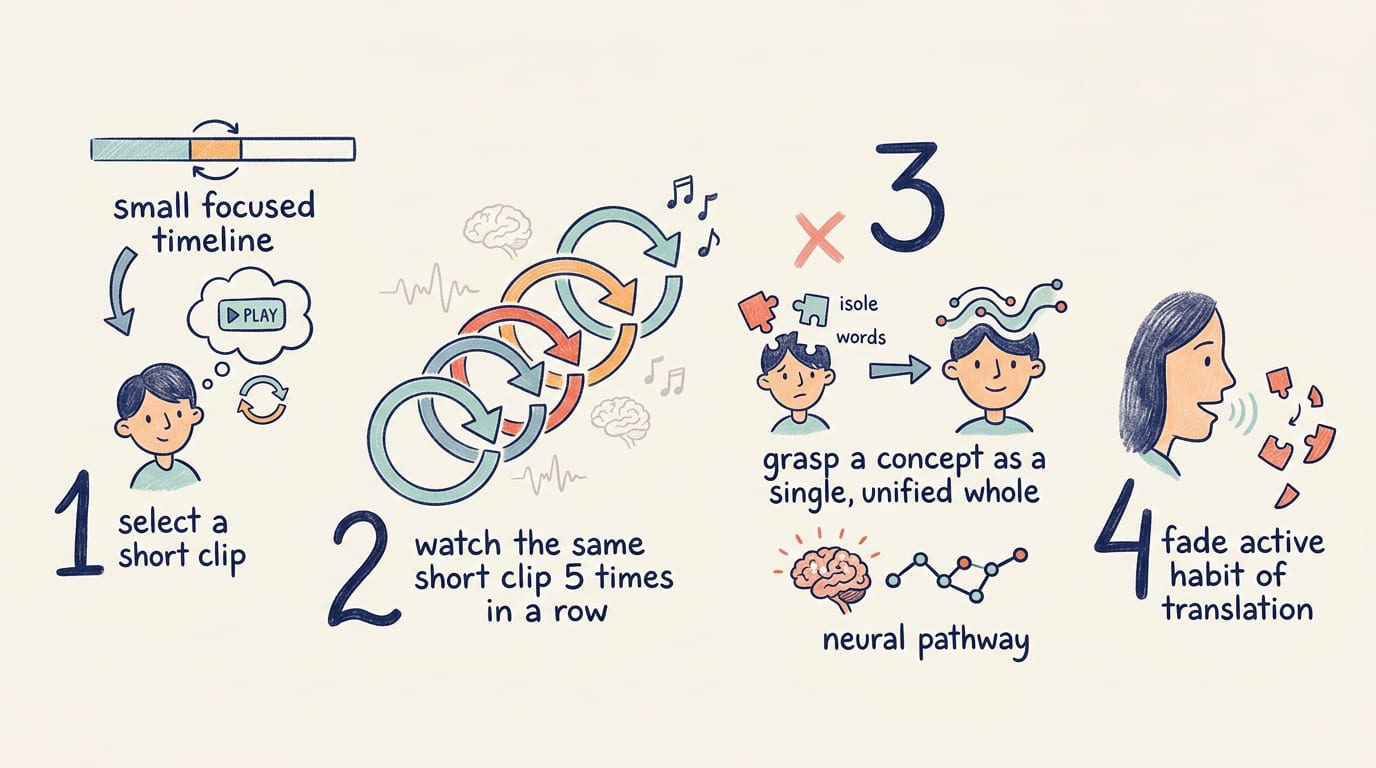
A common mistake learners make is focusing on word-for-word accuracy, which forces the brain to constantly toggle between two linguistic systems. When you translate, you are essentially engaging in a complex mental gymnastics routine every time you hear a simple greeting or a directional phrase. By forcing yourself to hold the concept in English without searching for an anchor in your native tongue, you allow your brain to build a direct neural pathway. This might feel uncomfortable or even chaotic at first, but it is the necessary growing pain of moving from a student of English to a fluent user of the language.
If you want to improve English fluency through immersion, you have to accept that you will not understand every single word perfectly at first. That is perfectly normal. The goal is to shift your focus from decoding words to absorbing concepts. You can use tools like https://vidvocab.com/ to help bridge this gap. By seeing word glosses and grammar cards alongside the video, you provide your brain with the context it needs to make a direct connection without needing to pause and look up a translation in a dictionary. Once you stop treating English as a foreign code, you open the door to thinking in the language.