
Why do I understand English videos but not native speakers?
28 October 2026 · why is real English harder than videos · English listening gap · English listening · native speakers
After reading this, you will be able to identify the exact barriers preventing you from following casual conversations and implement a daily routine to bridge the English listening gap between your study materials and real-life interactions.
🎧 Why is real English harder than videos
You can learn English grammar using our free platform
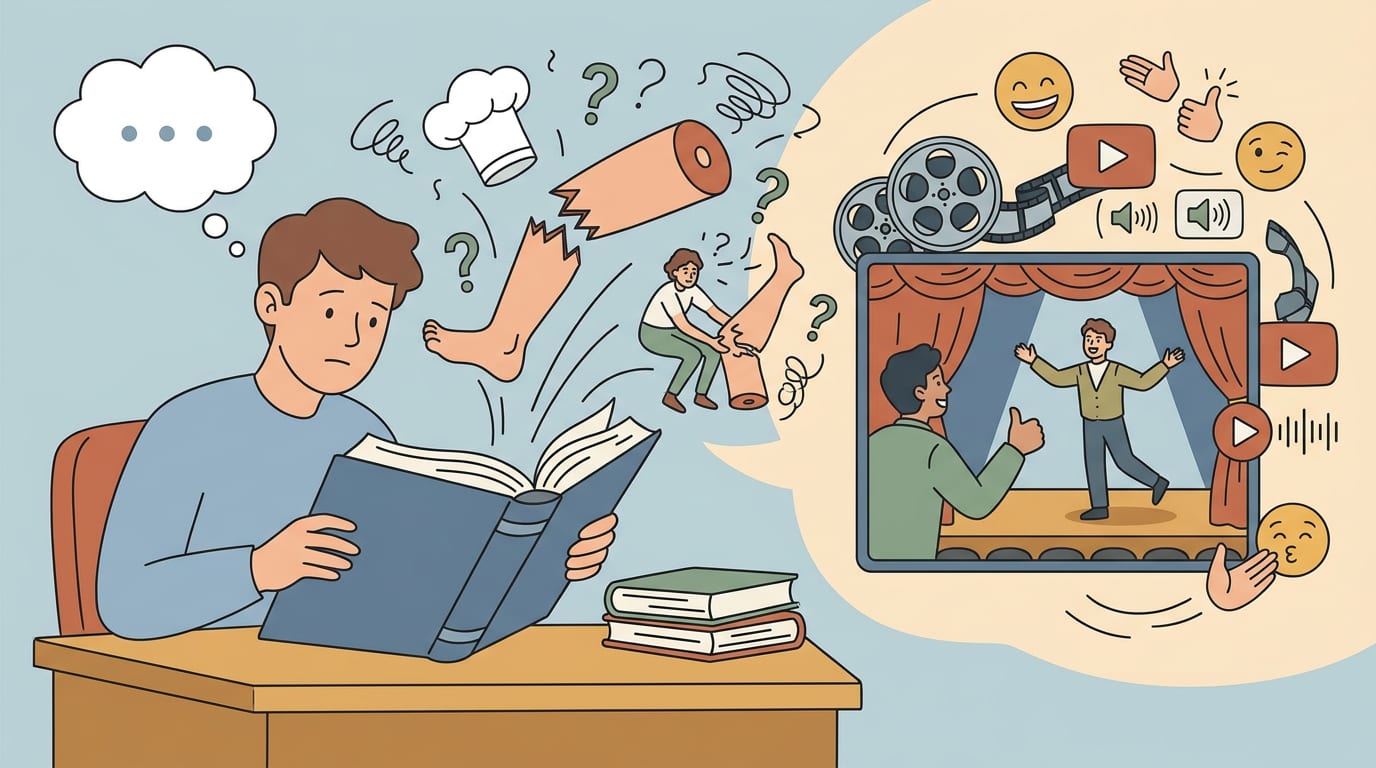
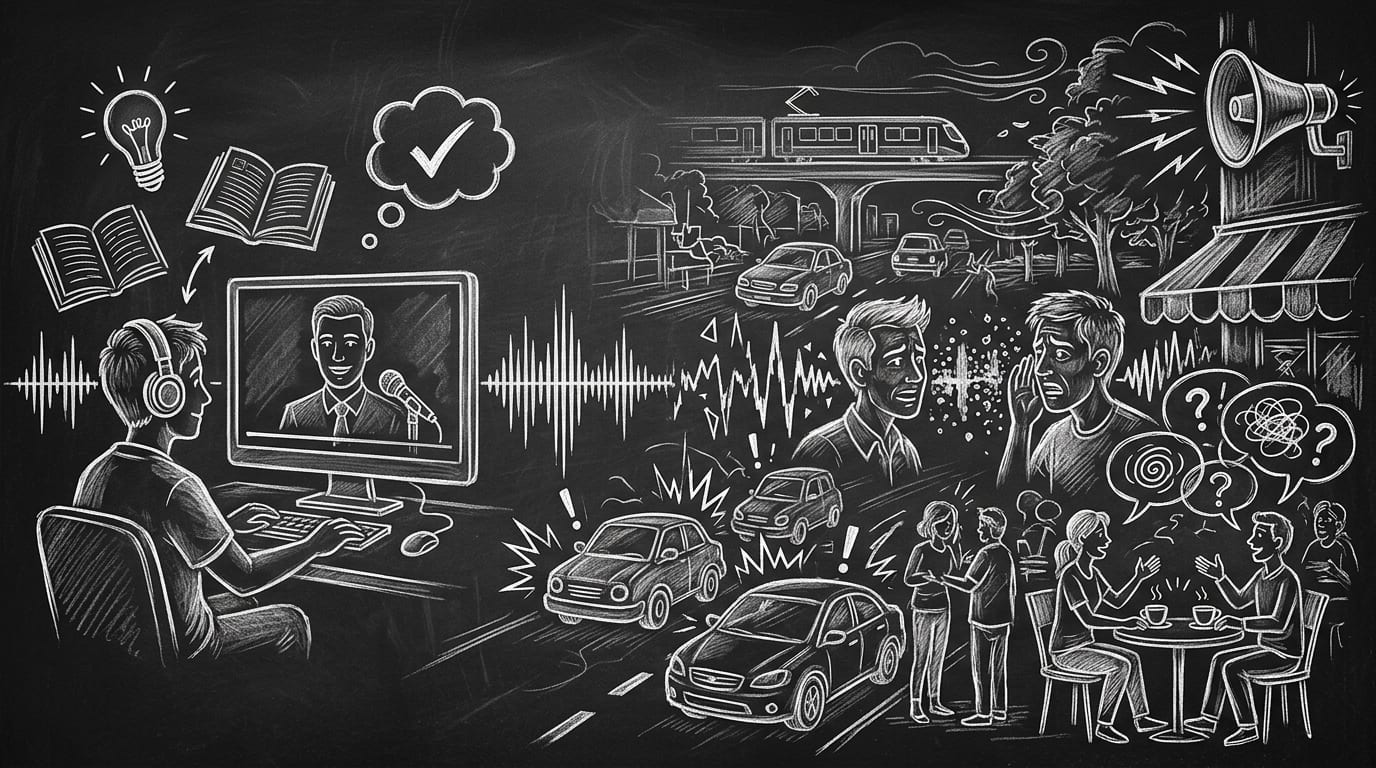
It is a common frustration for learners at the B1-B2 level to feel confident watching a scripted video, only to feel completely lost when standing in a coffee shop or listening to a podcast. You might find yourself thinking you understand English videos but not native speakers, and that is a perfectly normal stage in your journey. The reason for this discrepancy is often environmental rather than cognitive. In a polished video, the speaker is usually in a sound-treated room, speaking directly into a high-quality microphone, and articulating clearly to ensure the audience follows the plot.
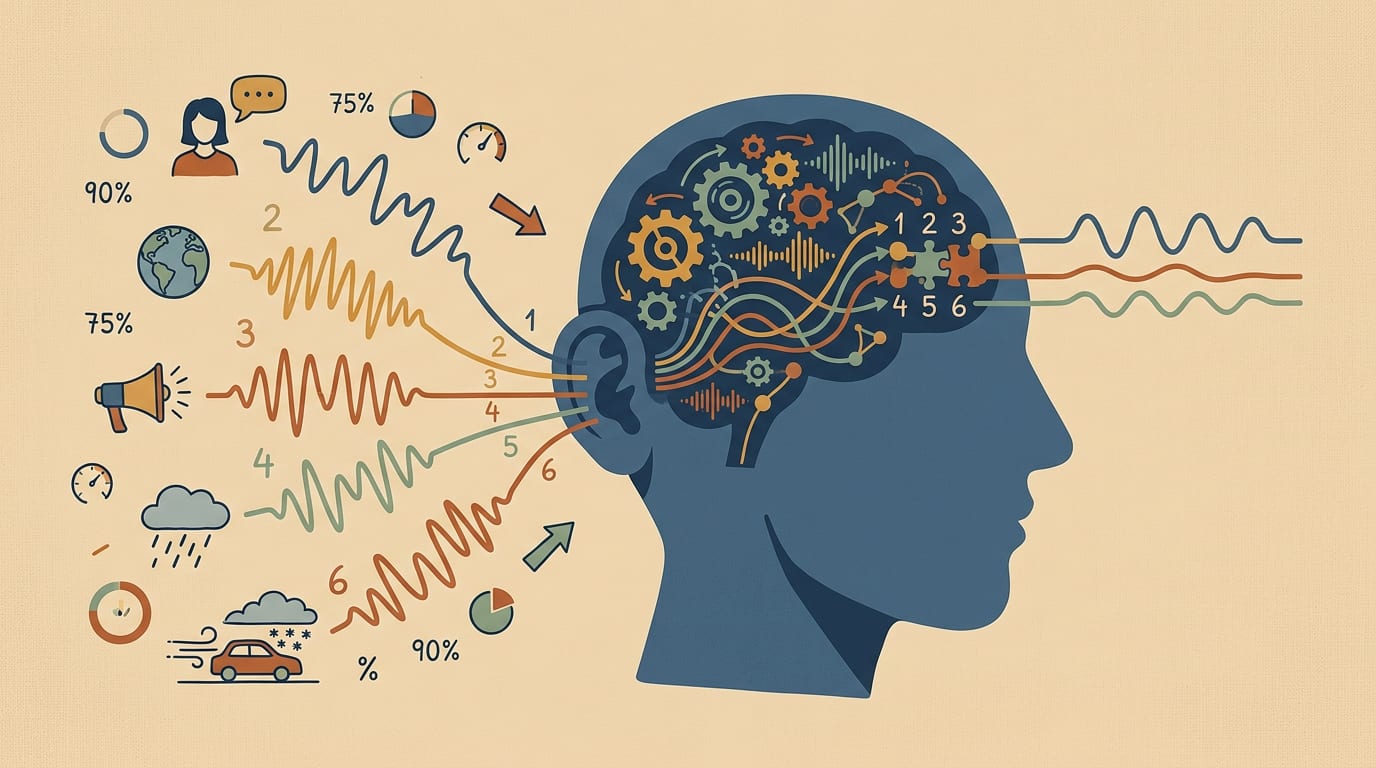
Real-world English is messy. It happens in transit hubs with announcements blaring, in crowded restaurants with clinking cutlery, or on windy streets where the audio quality is far from studio-grade. Your brain has to work significantly harder to filter out ambient noise and isolate the speaker's voice. When you use tools like https://vidvocab.com/, you are training your brain in a controlled environment, which is excellent for building foundational vocabulary. However, moving from that comfort zone to the chaos of a live conversation requires a shift in how you process audio input. You are not just learning words; you are learning how to maintain focus when the audio signal is less than perfect.
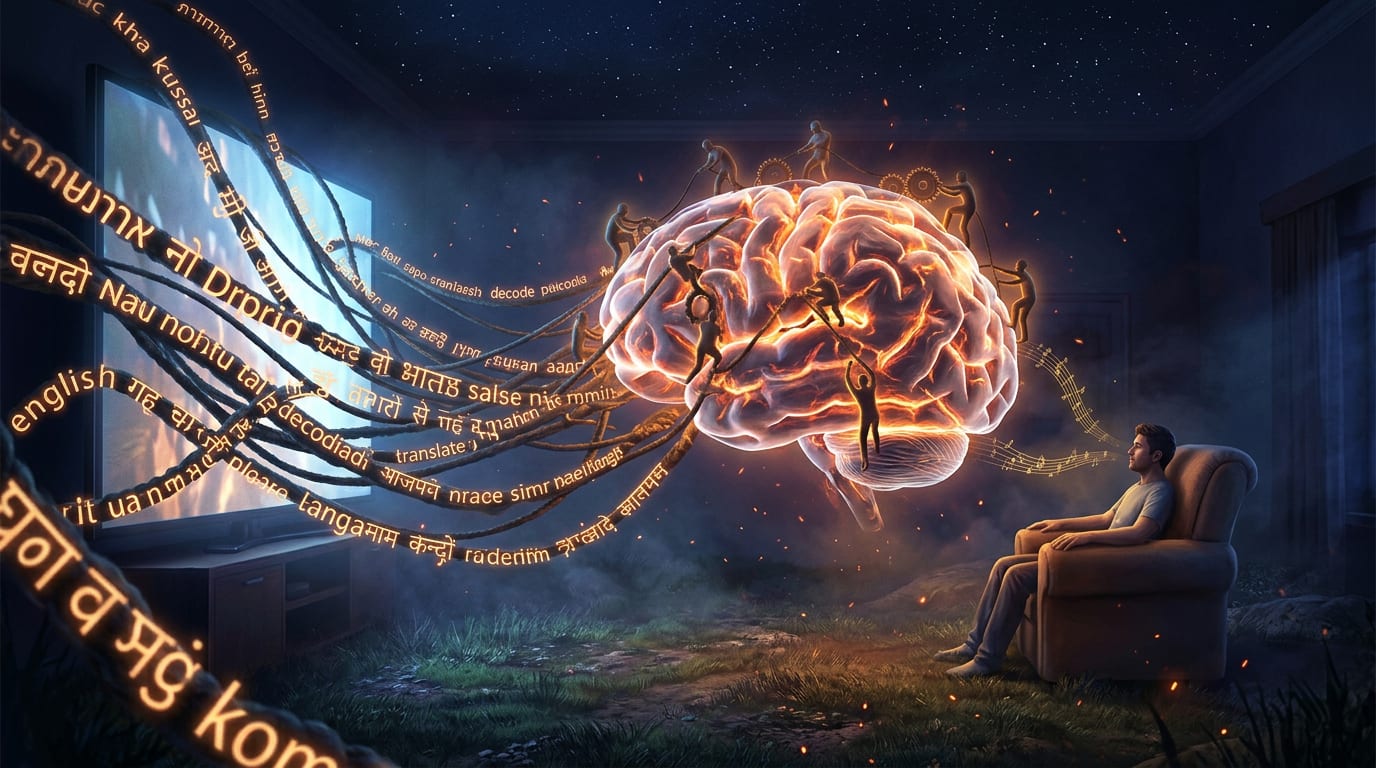
A common mistake learners make is assuming that listening comprehension is a static skill that applies equally to all environments. In reality, your brain relies on visual cues and 'clean' audio inputs to process meaning. When you are in a noisy setting, your brain must perform 'top-down' processing, using context and past experience to guess the words you cannot hear clearly. If you only train with studio-quality audio, you never develop the ability to fill in these gaps. To bridge this, seek out podcasts recorded in cafes or interviews where the audio is a bit more raw. The more you expose yourself to varying sound qualities, the more resilient your listening comprehension will become. It is not that your English is failing you; it is that your ears are currently tuned to the frequency of professional production rather than the unpredictable reality of daily human interaction.